research
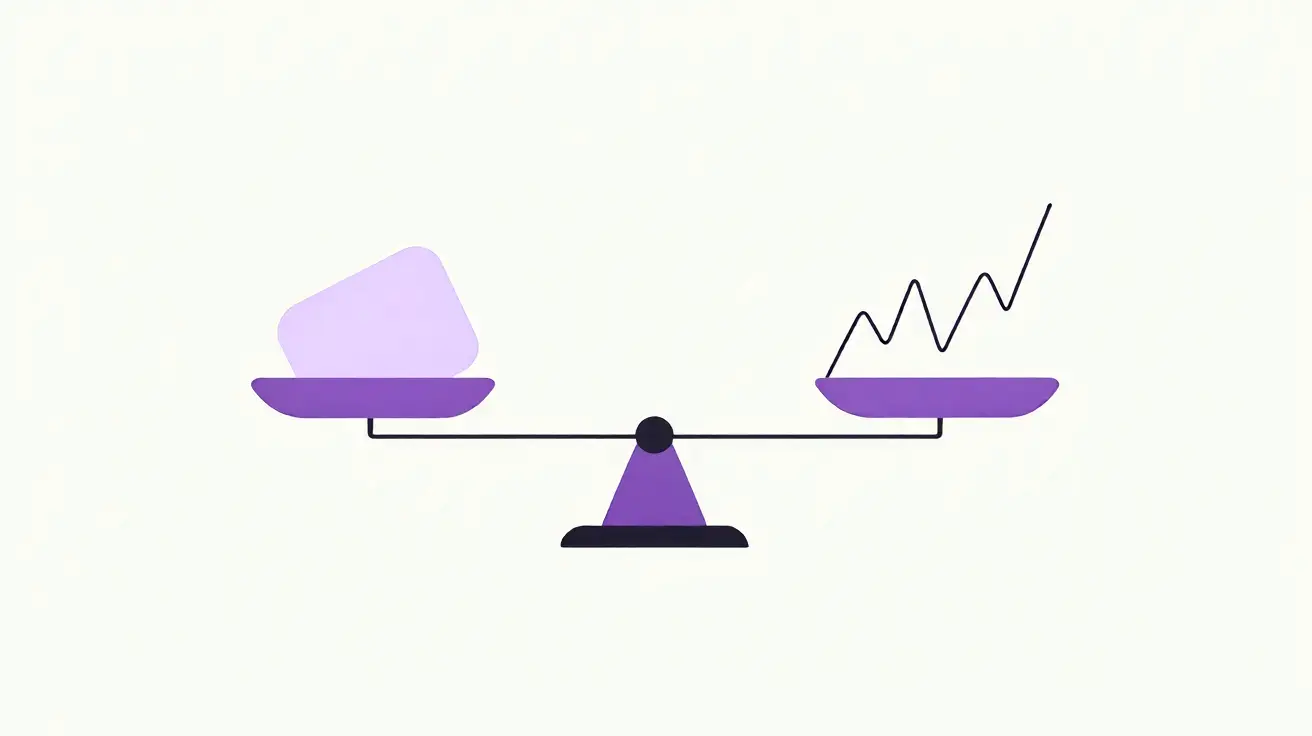
Prediction markets, polls and surveys measure different things
Kalshi and Polymarket now trade billions a month, mostly on sports. Polls got more accurate in 2024 but still leaned one way. What each tool actually tells you.

AI respondents missed by 12 points. Human answers still have a price.
Pew tested AI stand-ins for survey takers and found large errors. Meanwhile AI labs pay billions for human judgement. What both stories say about the value of real answers.
Prolific, Respondent, Pollfish: what paying people for research really costs
Platform fees of 33% to 43%, $25 to $80 per interview before incentives, and survey answers from $0.95. How the big research panels charge, and what you get for it.
An AI agent passed 99.8% of survey attention checks. Now what?
A Dartmouth study showed AI agents can answer online surveys undetected, and Pew found nearly half of one opt-in sample failed a screening check. What still works.

Poll, survey or paid study: which one answers your question?
A poll gives you a pulse, a survey gives you the picture, a paid study gives you a sample you can trust. How to pick, and what each looks like on Sibr.